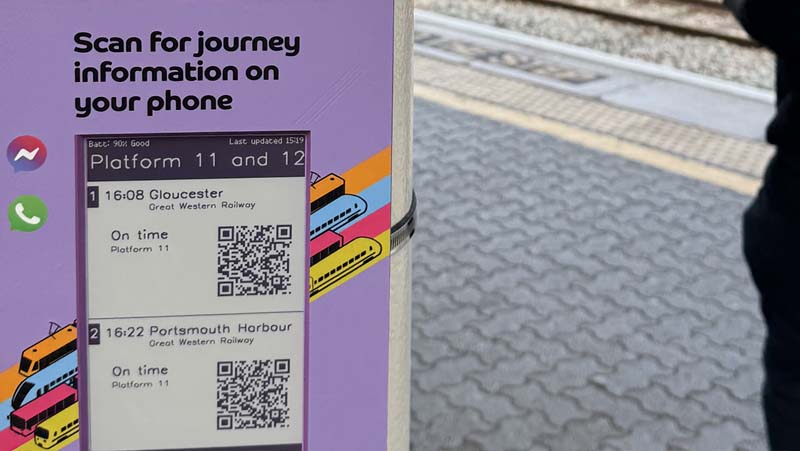
Trial shows personalised journey guidance cuts travel anxiety and drives sustained passenger engagement
Features


Journey Alerts launch in Paris with SNCF Transilien
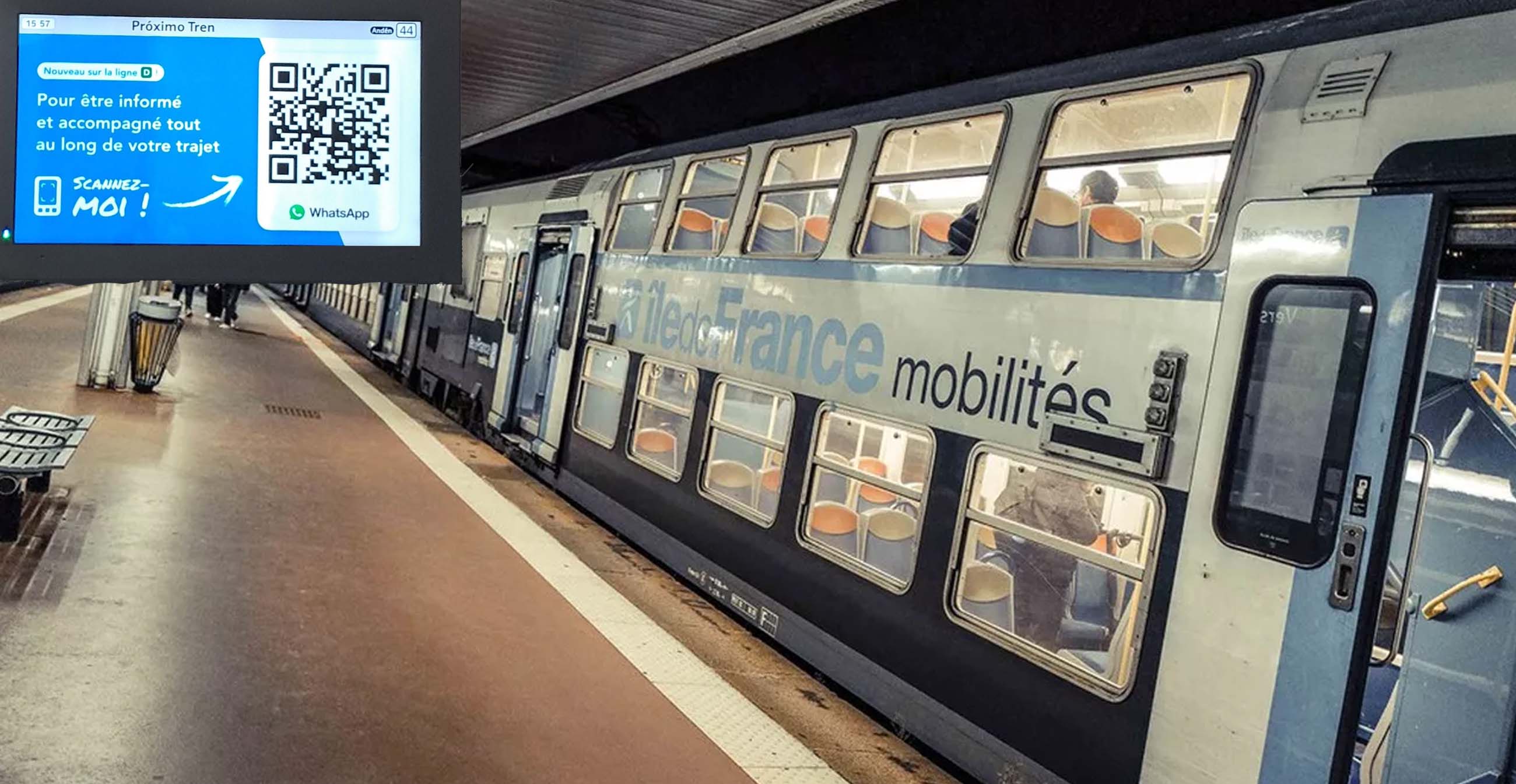
Journey Alerts, the UK passenger information and message alerts platform, is now operating in Paris, delivering real-time WhatsApp alerts to passengers on SNCF Transilien’s main metro and commuter lines. The pilot launched in Paris in June and is now running on RER lines C and D – two of the busiest express lines in the network, together carrying 1.2 million passengers a day across 134 stations.
The deployment is the first time a British real-time messaging platform has been adopted at scale on France's rail network, and is part of SNCF Transilien’s push to modernise how it communicates with its passengers. By deploying Journey Alerts, SNCF is giving passengers – from daily commuters to occasional travellers navigating an unfamiliar network – the personalised real-time guidance they need to keep moving through disruption and plan their travel.
Journey Alerts connects transport operator updates with passengers through real-time updates delivered via WhatsApp, Messenger and SMS. The platform now has 1.5 million users and a 98% retention rate, and already works with leading UK rail operators including LNER, South Western Railway and East Midlands Railway, as well as Bedford Borough Council's bus network.
To operate in Paris, the team behind Journey Alerts built a metro mode, designed for high-frequency, non-timetabled services where passengers turn up and go rather than taking a specific train. The new mode uses traveller confirmations, tracking whether a passenger made it onto a service, to trigger automatic replanning if a connection is missed, alongside real-time disruption alerts sent directly to passengers' phones. Passengers access the service via QR codes displayed on passenger information screens, with no app or account needed. Early feedback from Paris passengers has been overwhelmingly positive, withover 80% satisfaction and 25% of customers already using the service daily.
With a metro mode now built for high-frequency, non-timetabled services, Journey Alerts is well placed to support similar rapid transit networks in other major cities.
Alex Froom, Chief Strategy Officer at Journey Alerts, said:
“We’re delighted to be part of the team bringing real time updates to Paris travellers, and it's a significant moment for us as we take our technology into Europe for the first time. To do this, we needed something different to what we'd built for the UK and previous international deployments. Passengers on a metro line don't check a timetable, they just turn up, so we had to build a mode that understands that pattern. Seeing that work at this scale, on one of the busiest commuter lines into a capital city, is evidence that the same reliable, cost-effective technology can be adapted for very different use cases. Metro, bus, or train, passengers have different needs and expectations, but what they all need is timely, accessible information.”
Tony Zoghby, Head of Operations and Passenger Information at SNCF Voyageurs and Transilien, said:
“Passenger information is central to how our customers experience their journey, especially during disrupted periods, whether they travel with us every day or less frequently. Working with Journey Alerts enabled us to take real-time passenger information to the next level. Their solution gives RER C and D passengers a direct, personalised channel to receive the right information, at the right time, when they need it most. It's a meaningful step forward in how we communicate with our passengers, and an approach we're excited to continue building on across our network.”
This pilot will continue operating for 12 months, on RER lines C and D and later J. Journey Alerts is building on the Paris deployment with further international work, including a demonstrator at InnoTrans in Berlin, supported by UK government funding. The platform expects demand for flexible, low-cost passenger information to grow as transit authorities across Europe face similar pressure to do more with limited budgets
